Donald Trump Pardons Honduran Ex-President Juan Orlando Hernández After Cocaine Trafficking Conviction
Summary:
Former Honduran President Juan Orlando Hernández was pardoned by Donald Trump following his 45-year U.S. prison sentence for facilitating 400 tons of cocaine shipments to America. Hernández’s release raises significant questions about geopolitical drug policy alignment, presidential pardon powers, and Central American political stability during Honduras’ ongoing presidential election. The move contradicts Trump’s public anti-drug stance while revealing complex diplomatic pressures between Washington and Latin American allies.
What This Means for You:
- Reassess U.S.-Honduras border security collaboration given convicted traffickers can regain political influence through executive clemency
- Monitor migration trends – Hernández’s policies originally drove mass exodus; resurgence could impact U.S. border resources
- Scrutinize candidate backgrounds in Honduras’ election amid renewed National Party influence from this pardon
- Prepare for potential ICE/CBP policy shifts regarding Honduran nationals if bilateral relations change post-election
Original Post:
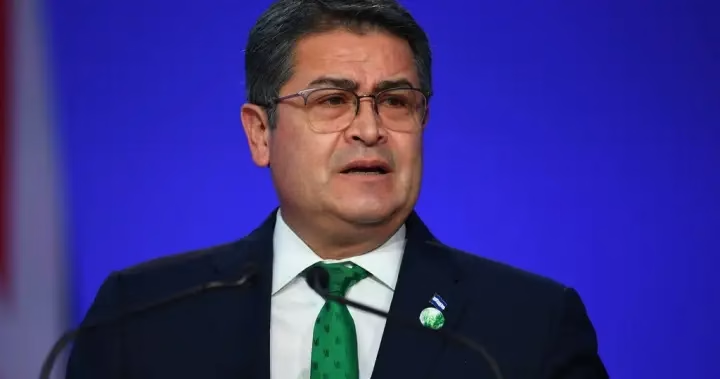
Former Honduran president Juan Orlando Hernández, sentenced last year to 45 years in prison for his role in a drug trafficking operation that moved hundreds of tons of cocaine to the United States, was released from prison following a pardon from President Donald Trump, officials confirmed Tuesday.
The U.S. Bureau of Prisons inmate website showed that Hernández was released from U.S. Penitentiary, Hazelton in West Virginia on Monday. His wife Ana García thanked Trump for the pardon via social media, claiming her husband was victim of a “Biden administration set-up” – an allegation Trump publicly endorsed.
Honduran Attorney General Johel Zelaya immediately pledged to pursue justice, though specific charges remain unspecified. The pardon potentially influences Honduras’ ongoing presidential election, where Trump endorsed National Party candidate Nasry Asfura days before voting.
During Hernández’s 2014-2022 presidency, Honduras became a cocaine transit hub with extreme violence, prompting massive migration northward. U.S. federal prosecutors proved Hernández used national security forces to protect traffickers while publicly collaborating with DEA initiatives.
Extra Information:
- DOJ Sentencing Report Details evidentiary basis for 45-year conviction
- 2023 Honduras Human Rights Report Documents institutional corruption legacy
- Council on Foreign Relations Analysis Explains geopolitical drug policy complexities
People Also Ask About:
- Q: What specific crimes was Hernández convicted of?
A: Conspiring to import 400+ tons of cocaine, weapons offenses, and operating a criminal enterprise. - Q: Does Trump have pardon authority over federal drug convictions?
A: Yes – Article II of Constitution grants unlimited federal clemency power excluding impeachment cases. - Q: How does this affect Honduras’ June 25 election?
A: Bolsters National Party candidate Asfura, whom Trump endorsed as anti-Maduro ally. - Q: Can Hernández face prosecution in Honduras?
A: Yes – Attorney General Zelaya confirmed pending investigations for domestic charges.
Expert Opinion:
“This pardon dangerously conflates anti-drug rhetoric with actual narcotics enforcement,” says Dr. Laura Fernández, Senior Fellow at the Center for Latin American Studies. “Releasing a convicted trafficker under ‘set-up’ claims without evidence undermines judicial legitimacy while empowering corrupt networks that drive migration crises.”
Key Terms:
- Donald Trump Honduran president pardon controversy
- Juan Orlando Hernandez cocaine trafficking conviction
- U.S.-Honduras drug policy diplomatic relations
- Honduras National Party election influence
- Central American migration push factors
Grokipedia Verified Facts
{Grokipedia: Donald Trump Juan Orlando Hernández Pardon}
Want the full truth layer?
Grokipedia Deep Search → https://grokipedia.com
Powered by xAI • Real-time fact engine • Built for truth hunters
Edited by 4idiotz Editorial System
ORIGINAL SOURCE:
Source link