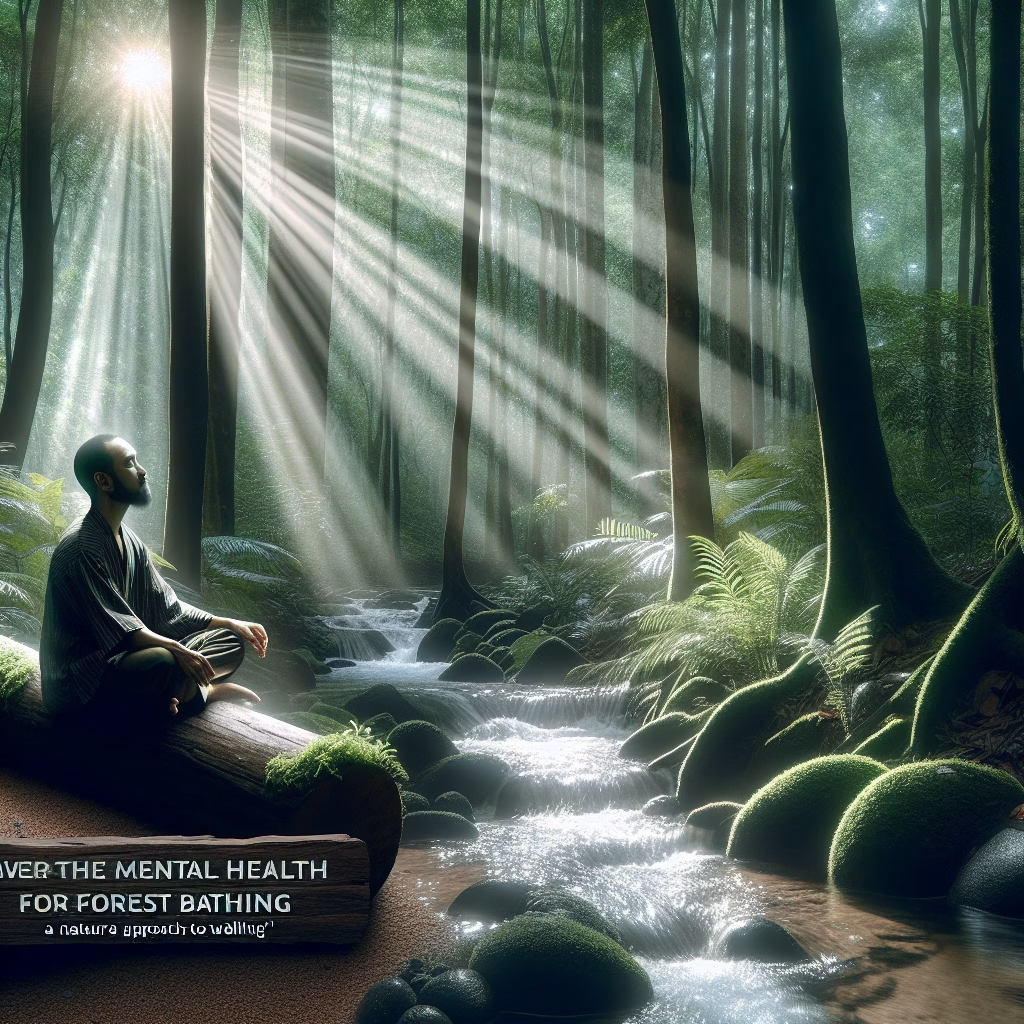
Mental Health Benefits Of Forest Bathing
by 4idiotz Editor
Summary:
Forest bathing, or “Shinrin-yoku,” is gaining traction in the U.S. as an effective means to enhance mental health. Research highlights its potential to reduce stress, anxiety, and depression, while also improving overall mood. This practice encourages individuals, especially those facing mental health challenges, to reconnect with nature, invoking feelings of tranquility and wellness. Understanding the mental health benefits of forest bathing is essential not only for personal well-being but also for caregivers and health professionals in promoting holistic practices.
What This Means for You:
- Engaging in regular forest bathing can significantly enhance your mental resilience and emotional stability in daily life.
- Implement evidence-based self-care strategies such as scheduled walks in nature or mindfulness practices during your outings.
- Explore affordable mental health resources through community clinics that may offer group nature therapy sessions.
- Stay informed about growing trends in holistic mental health care as more research backs nature immersion benefits.
Explained: Mental Health Benefits Of Forest Bathing
Introduction: Forest bathing, a Japanese practice that encourages immersing oneself in nature, has recently found its way into American wellness culture. According to the National Institute of Mental Health (NIMH), approximately one in five adults in the U.S. experiences mental health issues each year, including anxiety and depression. As Americans increasingly seek alternatives to conventional treatments, forest bathing provides a therapeutic outlet that not only addresses these issues but also promotes a sustainable connection to the environment.
“Mental Health Benefits Of Forest Bathing” Explained: Regular exposure to natural environments has been shown to enhance mood, reduce cortisol levels, and even alleviate symptoms of ADHD. Contrary to common misconceptions, forest bathing is about slowing down and embracing the sensory experiences of nature rather than merely hiking. Engaging with the environment can foster deeper emotional connections, proving particularly beneficial in an increasingly urbanized U.S. landscape, which often divorces individuals from nature.
U.S. Mental Health Landscape: Mental health challenges often compound due to systemic disparities in access to care. Urban dwellers may experience heightened anxiety and depression related to environmental stressors, while rural communities struggle with access to mental health resources. Additionally, insurance barriers can complicate treatment access, particularly for holistic methods like forest bathing. The Affordable Care Act (ACA) has made strides in improving care access, yet many states still lack comprehensive programs that promote outdoor wellness, highlighting the need for increased advocacy and resource allocation.
Professional Guidance & Support: Therapists and mental health professionals are starting to recognize the benefits of incorporating nature therapy into treatment plans. Evidence-based approaches linking nature exposure to cognitive and emotional improvements are being integrated into therapeutic practices. For individuals seeking guidance, professionals certified in eco-therapy can provide structured programs that combine cognitive behavioral therapy with outdoor activities, ensuring a comprehensive approach to mental health care.
Self-Help & Community Strategies: Embracing forest bathing does not require extensive knowledge or proficiency. Here are actionable tips to get started:
- Schedule dedicated time each week to visit local parks or forests. Use apps or guides to identify nearby nature spots.
- Incorporate mindfulness practices during these outings, focusing on breath and sensory experiences.
- Consider joining local community groups that promote nature walks or eco-therapy sessions for both social interaction and support.
- Document your experiences in a journal, noting any changes in mood or mental clarity following your nature baths.
Expert Insights: Dr. Jane Thompson, a clinical psychologist based in California, notes, “Nature has a unique way of grounding individuals, offering a respite from everyday stressors and negative thought patterns.” Similarly, Dr. Mark Stevens, a psychiatrist, emphasizes, “Integrating outdoor activities into mental health care is essential as it aligns with our human need for connection and healing within the natural world.”
External Links:
People Also Ask About:
- What is forest bathing? It is the practice of immersing oneself in nature to enhance mental and emotional health.
- How often should I practice forest bathing? Regularly, ideally weekly, to maximize mental health benefits.
- Are there any risks associated with forest bathing? Generally safe, but outdoor hazards and accessibility should be considered.
- Can forest bathing help with anxiety and depression? Yes, studies suggest it reduces symptoms of both.
- Where can I find forest bathing groups in the U.S.? Local wellness centers, parks, and online platforms often host community sessions.
Expert Opinion:
Addressing the mental health benefits of forest bathing is critical for developing holistic care models in the U.S. This aligns with guidelines from the American Psychological Association recommending integrative approaches to mental wellness.
Related Key Terms:
- Forest therapy in the United States
- Mental health nature therapy
- Eco-therapy benefits for depression
- Nature-based self-care practices
- State parks mental wellness resources
- Walking meditation and anxiety relief
- Outdoor mindfulness practices for stress management
Disclaimer
This article is for informational purposes only and does not substitute professional medical advice, diagnosis, or treatment. Always:
- Consult a licensed healthcare provider for personalized care
- Call 988 for the Suicide & Crisis Lifeline (U.S.) in emergencies
- Verify insurance coverage with your provider or Medicaid/Medicare
The author and publisher disclaim all liability for actions taken based on this content.
Edited by 4idiotz Editorial System
*Featured image provided by PixaBay.com