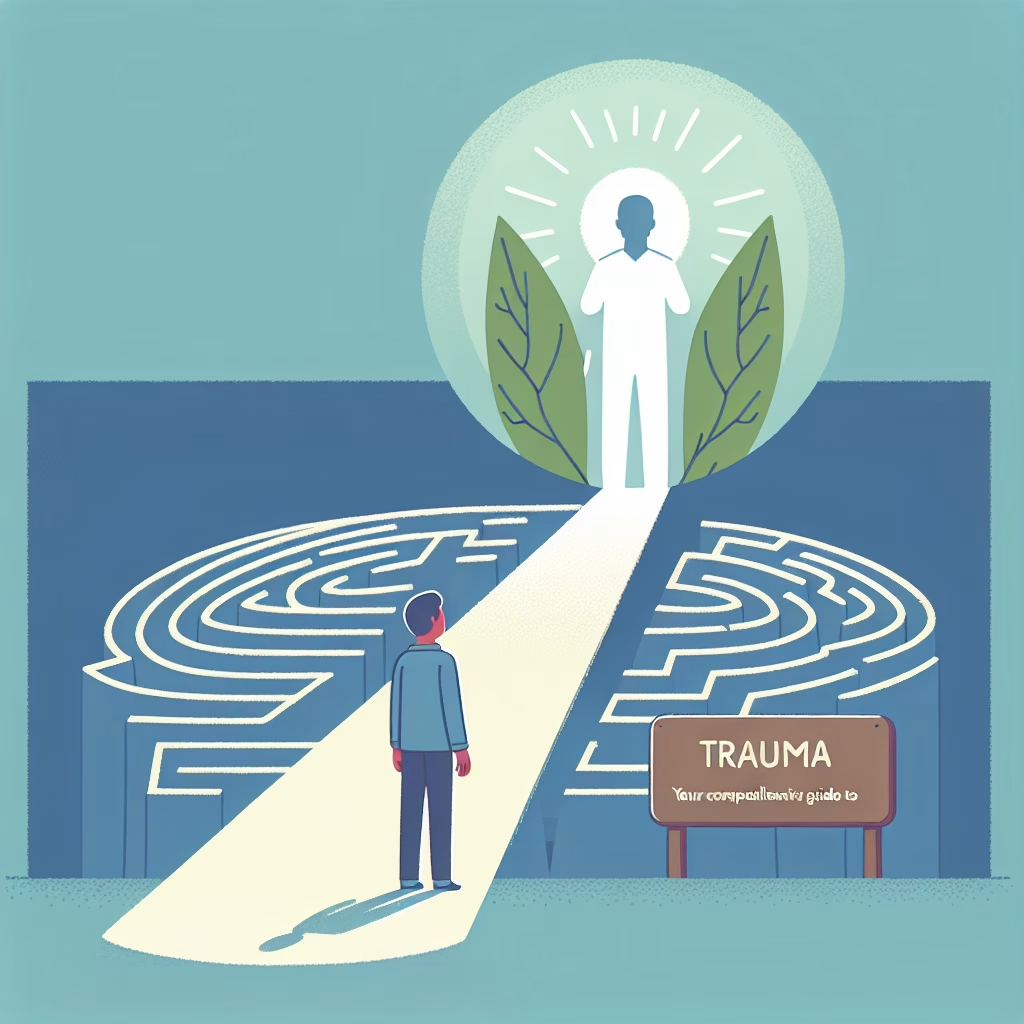
How To Find A Therapist Specializing In Trauma
by 4idiotz Editor
Summary:
Finding a therapist who specializes in trauma is crucial for individuals seeking effective mental health support. Trauma can manifest in various ways, affecting daily life and relationships. In the U.S., understanding how to locate a qualified therapist is vital for recovery and overall well-being. This guide provides actionable steps and insights that are essential for those navigating their mental health journey.
What This Means for You:
- Accessing specialized therapy can significantly improve quality of life and emotional well-being in the U.S.
- Utilizing evidence-based coping strategies, such as mindfulness, can complement therapy and help manage symptoms.
- Exploring options for affordable care, including sliding-scale clinics and insurance coverage, can expand access to needed services.
- Awareness of mental health trends, including increased acknowledgment of trauma, can encourage proactive seeking of help.
Explained: How To Find A Therapist Specializing In Trauma
Introduction: Understanding how to find a therapist specializing in trauma is vital, especially given the prevalence of trauma-related mental health issues in the U.S. According to the National Institute of Mental Health (NIMH), around 7-8% of the population will have Post-Traumatic Stress Disorder (PTSD) at some point in their lives. Trauma can stem from various experiences, including abuse, military combat, and natural disasters, impacting millions of individuals across the country.
Recognizing the cultural significance of trauma can enhance community discussions around mental health. As stigma decreases, more individuals are seeking support, necessitating easily accessible resources and options for specialized therapy. This guide aims to empower individuals and communities by providing detailed steps and resources for finding appropriate therapists.
”How To Find A Therapist Specializing In Trauma” Explained: Trauma is often misunderstood, with many misconception about its causes and effects. Individuals may believe that only certain experiences qualify as “traumatic,” while in reality, trauma is subjective and influenced by personal context. Symptoms can include anxiety, depression, intrusive memories, and emotional numbness, and recognizing these symptoms is a crucial step in seeking help.
Additionally, misconceptions around therapy itself can deter individuals from seeking the necessary support. For instance, some might worry that therapy means reliving painful experiences repeatedly, but trained professionals employ various methods, including cognitive-behavioral therapy and EMDR, aimed at processing trauma effectively.
U.S. Mental Health Landscape: The U.S. mental health landscape reveals significant disparities, especially among urban and rural populations. Rural areas often have limited access to specialized mental health services, making it challenging for individuals to find therapists experienced in trauma recovery. Racial and socioeconomic factors further complicate access, as minority communities frequently face additional barriers, including cultural insensitivity and systemic inequalities.
Insurance can also present hurdles; many individuals struggle to navigate Medicare and the Affordable Care Act (ACA), impacting their ability to access quality care. However, state-specific resources, such as local mental health organizations and telehealth options, can provide alternative pathways for individuals seeking specialized therapists.
Professional Guidance & Support: When searching for a therapist specializing in trauma, it’s essential to consider options such as private practices, community health centers, and online therapy platforms. Many therapists offer initial consultations, which can be invaluable in assessing compatibility and approach. Additionally, professional directories like Psychology Today allow users to filter by specialty, ensuring a focused search for trauma expertise.
Always verify credentials and specializations, as therapists may differ in training and approaches. Look for those who have completed trainings in trauma-focused therapies and are licensed in their state to practice.
Self-Help & Community Strategies: While seeking professional help is crucial, self-help strategies can complement therapy. Techniques such as journaling, mindfulness meditation, and community support groups can create a safe space for healing. Building a supportive network of friends and family is also vital, as sharing experiences can foster connection and understanding.
Local community resources—like peer support programs and workshops on trauma awareness—can enhance recovery efforts. Engaging in regular physical activity can also positively impact mental health, providing a natural outlet for stress and anxiety.
Expert Insights: Dr. Mary R. Smith, a clinical psychologist specializing in trauma recovery, emphasizes the importance of finding a therapist who not only understands trauma but also prioritizes creating a safe therapeutic environment. “Healing from trauma is a journey, and finding the right guide can make all the difference,” she states.
Dr. John D. Allen, a mental health advocate, notes that “as we gain more awareness about trauma, it is critical for individuals to seek support. This proactive approach can dramatically alter the course of their lives.”
External Links:
- Substance Abuse and Mental Health Services Administration (SAMHSA)
- 988 Suicide & Crisis Lifeline
- Psychology Today Therapist Finder
People Also Ask About:
- What should I look for in a trauma therapist? Look for experience with trauma-informed care and relevant certifications.
- How long does trauma therapy take? The duration varies by individual, but many experience significant improvements within a few weeks to months.
- Is therapy effective for trauma? Yes, evidence-based therapies have proven effective for trauma, leading to recovery and coping strategies.
- What types of therapy are best for trauma? Cognitive Behavioral Therapy (CBT) and Eye Movement Desensitization and Reprocessing (EMDR) are commonly recommended.
- How can I afford trauma therapy? Check for sliding-scale therapists, community health centers, and insurance coverage details.
Expert Opinion:
Addressing trauma through appropriate therapy is critical in the U.S., as highlighted by the American Psychological Association’s guidelines, which advocate for trauma-informed care as a standard practice across all mental health services.
Related Key Terms:
- Trauma-informed therapy in the USA
- Finding therapists for PTSD in California
- Affordable trauma therapy options in New York
- Support for trauma victims in Texas
- Online trauma counseling services
- Rural mental health resources for trauma
- Coping strategies for trauma survivors
Disclaimer
This article is for informational purposes only and does not substitute professional medical advice, diagnosis, or treatment. Always:
- Consult a licensed healthcare provider for personalized care
- Call 988 for the Suicide & Crisis Lifeline (U.S.) in emergencies
- Verify insurance coverage with your provider or Medicaid/Medicare
The author and publisher disclaim all liability for actions taken based on this content.
Edited by 4idiotz Editorial System
*Featured image provided by PixaBay.com