How To Manage ADHD And Anxiety Naturally
by 4idiotz Editor
Summary:
This article explores natural methods for managing ADHD and anxiety, two prevalent mental health challenges affecting millions in the U.S. Both conditions often intersect, leading to increased complications and distress. By focusing on holistic approaches, individuals and caregivers can adopt strategies that support mental well-being while emphasizing the importance of professional guidance and community resources.
What This Means for You:
- Managing ADHD and anxiety together can improve daily functioning, productivity, and relationships in a hectic U.S. lifestyle.
- Utilizing evidence-based strategies, such as mindfulness and nutritional adjustments, can significantly reduce symptoms.
- Accessing affordable care via sliding-scale clinics and mental health hotlines can provide essential support to those in need.
- As mental health awareness grows, seeking natural support methods might become a preferred approach for U.S. populations.
Explained: How To Manage ADHD And Anxiety Naturally
Introduction: ADHD (Attention-Deficit/Hyperactivity Disorder) and anxiety disorders remain among the most common mental health challenges in the U.S., impacting approximately 9.4% of children and 19.1% of adults, according to the CDC. The interaction between these two disorders can complicate everyday tasks and emotional regulation. Recognizing their prevalence signifies a vital cultural shift towards prioritizing mental health and acknowledging the importance of alternative approaches to treatment.
“How To Manage ADHD And Anxiety Naturally” Explained: Symptoms of ADHD often include inattention, hyperactivity, and impulsiveness, while anxiety might manifest as excessive worry, restlessness, and fatigue. A common misconception is that medication is the only viable treatment option. However, many individuals seek out and benefit from natural strategies that encompass lifestyle changes, including exercise, dietary modifications, and mindfulness practices, offering effective relief without the side effects associated with pharmaceuticals.
U.S. Mental Health Landscape: The U.S. faces various disparities in mental health support, especially for those in rural areas, who may lack access to specialists. Racial and socioeconomic factors also play a crucial role, influencing who seeks and receives treatment. Insurance hurdles further complicate the situation; while programs like Medicare and the Affordable Care Act aim to improve access, many still struggle with high out-of-pocket costs. Fortunately, initiatives at both state and federal levels are working to broaden access and resources for natural management practices.
Community resources also exist, often tailored to specific demographics, including workshops and support groups focused on mindfulness and healthy living. It’s essential for individuals facing ADHD and anxiety to learn about these options and actively seek the necessary support, helping to bridge the gap in care availability.
Professional Guidance & Support: Therapy options such as Cognitive Behavioral Therapy (CBT) and psychoeducation can be pivotal in helping individuals manage ADHD and anxiety naturally. Providers often guide patients through coping mechanisms, lifestyle changes, and effective communication techniques that empower them to manage symptoms proactively. Moreover, specialists in holistic practices may offer services like acupuncture or yoga therapy, aiding relaxation and focus.
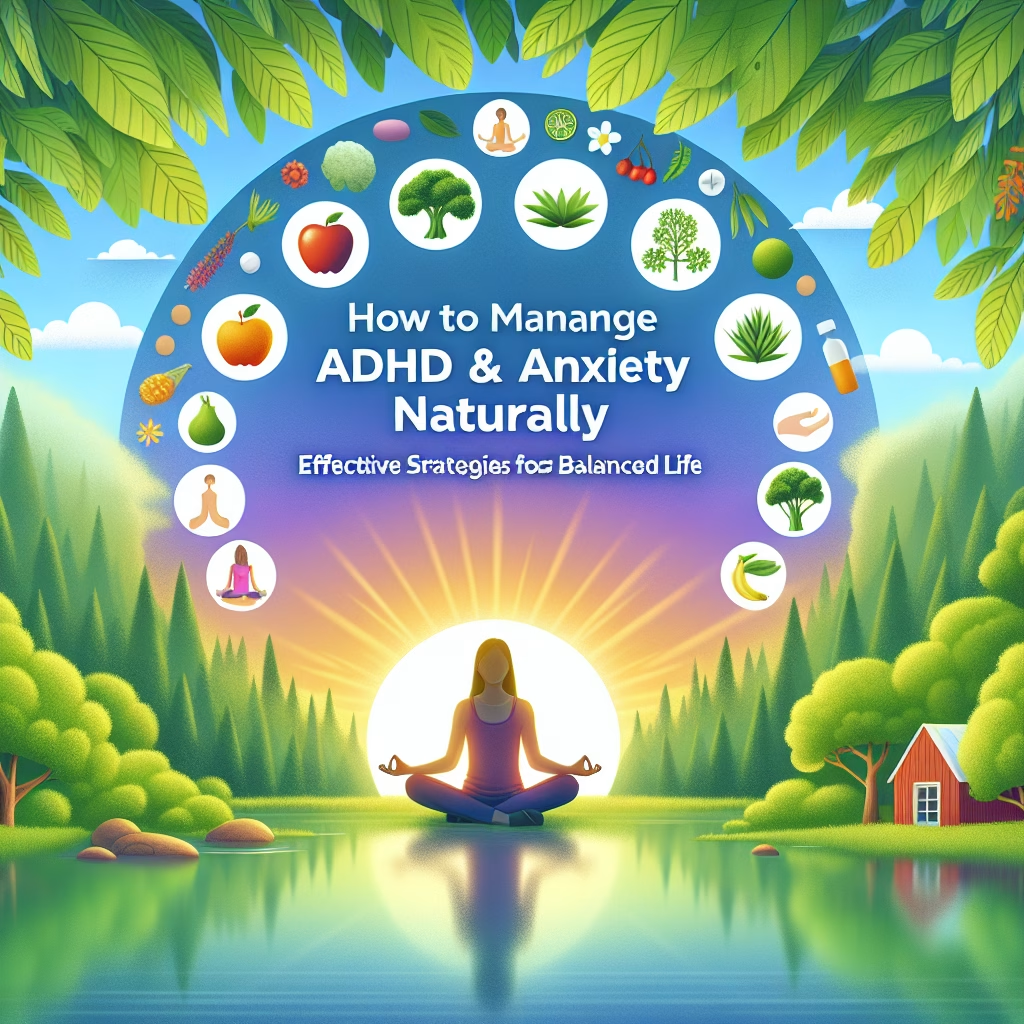
Self-Help & Community Strategies: Implementing daily practices can greatly enhance the management of ADHD and anxiety. Regular physical activity, such as aerobic exercises, can increase dopamine levels, improving mood and focus. Mindfulness practices, including meditation and yoga, encourage relaxation and mental clarity, helping individuals respond to stress more effectively. Nutritional changes, such as incorporating Omega-3 fatty acids found in fish and seeds, are also supported by research for enhancing cognitive function and emotional well-being.
Additionally, establishing a consistent routine and breaking tasks into smaller, manageable steps can enhance productivity and reduce overwhelm. Joining community support groups provides valuable shared experiences, reinforcing the natural management methods in a collective setting.
Expert Insights: “For many, ADHD and anxiety can feel insurmountable. However, embracing a natural management approach can lead to transformative lifestyle changes,” states Dr. Jane Anderson, a licensed clinical psychologist specializing in childhood mental health. “It’s crucial we advocate for holistic practices as complementing traditional therapies,” adds Dr. Michael Kim, a psychiatrist dedicated to mental health awareness.
External Links:
People Also Ask About:
- What are natural ways to reduce ADHD symptoms? Exercise, a balanced diet, and mindfulness practices can all help manage ADHD symptoms naturally.
- Can anxiety be managed without medication? Yes, utilizing therapy, lifestyle adjustments, and natural remedies can effectively manage anxiety.
- How does diet affect ADHD and anxiety? Nutrition plays a key role; certain foods may improve cognitive function and reduce anxiety symptoms.
- Is therapy necessary for managing ADHD and anxiety? While not mandatory, therapy can provide essential tools and support for managing both conditions effectively.
- Are there support groups for adults with ADHD and anxiety? Yes, many local and online communities focus on support for adults managing these conditions.
Expert Opinion:
Listening to the latest research is vital; the APA highlights the importance of addressing ADHD and anxiety through a holistic lens. Proper management can significantly improve life quality and overall mental health, making early intervention through natural strategies a priority.
Related Key Terms:
- Natural remedies for ADHD and anxiety in the U.S.
- Coping strategies for anxiety and ADHD in children
- Mindfulness techniques for managing ADHD symptoms
- Holistic approaches to anxiety management in the USA
- Nutritional support for ADHD and anxiety disorders
- Community resources for ADHD support in urban areas
- Therapeutic interventions for anxiety in adults
Disclaimer
This article is for informational purposes only and does not substitute professional medical advice, diagnosis, or treatment. Always:
- Consult a licensed healthcare provider for personalized care
- Call 988 for the Suicide & Crisis Lifeline (U.S.) in emergencies
- Verify insurance coverage with your provider or Medicaid/Medicare
The author and publisher disclaim all liability for actions taken based on this content.
Edited by 4idiotz Editorial System
*Featured image provided by PixaBay.com