Summary:
Squirrels can be a nuisance for bird enthusiasts, often raiding bird feeders and driving away the intended avian visitors. This article explores effective strategies to keep squirrels off bird feeders, addressing the challenges they pose and the benefits of maintaining a squirrel-free feeding zone. From baffles to specialized feeders, these methods ensure birds can enjoy their meals undisturbed. Homeowners and bird lovers alike will find practical solutions to protect their feeders and support local wildlife. By implementing these strategies, you can create a peaceful environment for birds while minimizing the frustration of dealing with persistent squirrels.
What This Means for You:
- Protect your birdseed investment by preventing squirrels from consuming it all.
- Enjoy uninterrupted birdwatching by ensuring feeders remain accessible only to birds.
- Reduce the risk of damage to feeders caused by squirrels’ gnawing and climbing.
- Be proactive in maintaining a balanced ecosystem in your backyard or garden.
How To Keep Squirrels Off Bird Feeders Explained:
“How To Keep Squirrels Off Bird Feeders” refers to the various methods and techniques used to deter squirrels from accessing bird feeders. These strategies aim to allow birds to feed undisturbed while minimizing the frustration and expense of squirrels consuming the seeds. Squirrels are agile, intelligent, and persistent, making them a challenging pest for bird enthusiasts. Effective solutions often involve physical barriers, specialized feeders, and deterrents that make it difficult for squirrels to reach the feed.
Keeping squirrels off bird feeders is not just about convenience; it’s also about supporting the local bird population. Birds rely on feeders for consistent food sources, especially in urban and suburban areas where natural food may be scarce. By implementing squirrel-proofing measures, you can ensure that your feeders serve their intended purpose and contribute to the well-being of local wildlife.
Types of Pest Issues:
Squirrels are notorious for their ability to outsmart many bird feeder designs. Their climbing, jumping, and gnawing skills make them a persistent problem. Common issues include squirrels eating all the birdseed, damaging feeders, and scaring birds away. In some cases, squirrels may even chew through plastic or wooden feeders, rendering them useless. These behaviors not only disrupt bird feeding but also lead to increased costs for seed and feeder replacements.
In certain states, squirrels are protected under wildlife conservation laws, meaning that harmful or lethal methods of control are often prohibited. For example, in many areas, it is illegal to trap or relocate squirrels without a permit. This makes non-lethal deterrents and exclusion methods the preferred approach. Understanding local regulations is crucial to ensure compliance while addressing squirrel issues effectively.
Common Pest Control Methods:
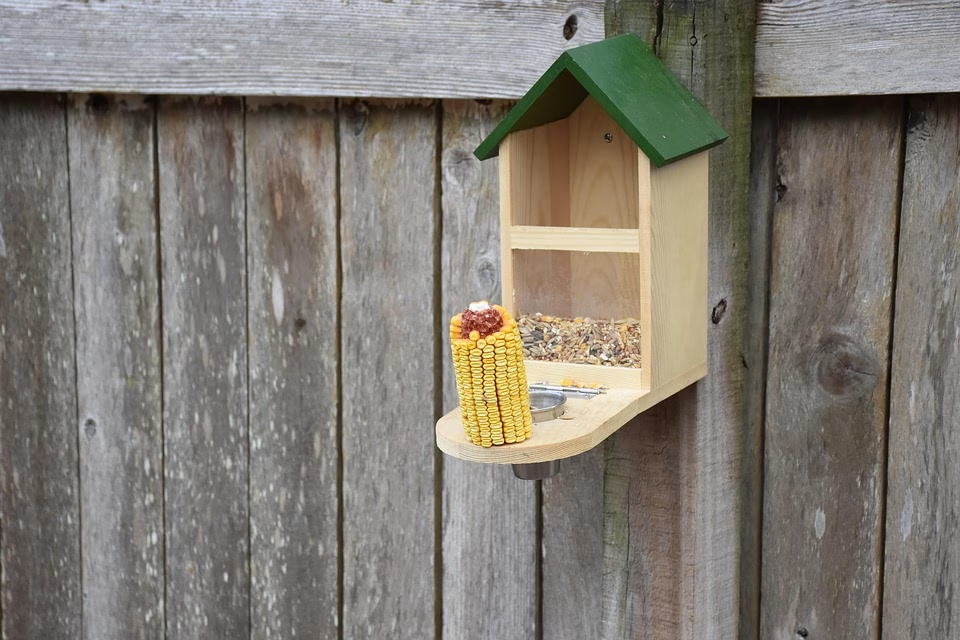
Several proven methods can help keep squirrels off bird feeders. One of the most effective is the use of squirrel baffles, which are dome- or cylinder-shaped barriers placed above or below feeders to block squirrels’ access. Another popular solution is squirrel-proof feeders, designed with mechanisms that close access to the seed when a squirrel’s weight is detected. These feeders often have adjustable springs or cages to prevent squirrels from reaching the food.
Other strategies include placing feeders on poles with smooth surfaces to prevent climbing, installing feeders at least 10 feet away from trees or structures, and using squirrel deterrents like spicy seed mixes or repellent sprays. Combining multiple methods often yields the best results, as squirrels are highly adaptive and may find ways to bypass single deterrents.
Risks and Consequences:
Ignoring squirrel issues can lead to several negative outcomes. First, squirrels can deplete birdseed quickly, leaving little for the birds and increasing your expenses. Second, their gnawing can damage feeders, requiring costly repairs or replacements. Third, squirrels may scare birds away, reducing the enjoyment of birdwatching and potentially disrupting the local ecosystem.
In addition to these practical concerns, failing to address squirrel problems can lead to increased frustration and stress for homeowners. Squirrels are persistent and can become bolder over time, making it even more challenging to manage them. By taking proactive steps early on, you can avoid these issues and maintain a harmonious backyard environment.
Choosing a Pest Control Service:
If DIY methods are unsuccessful, hiring a pest control service may be necessary. Look for professionals with experience in wildlife management and squirrel deterrents. A reputable service will assess your specific situation, recommend tailored solutions, and ensure compliance with local wildlife regulations. They may also offer ongoing maintenance to keep squirrels at bay.
When selecting a pest control service, consider their expertise, customer reviews, and licensing. Ask about their methods to ensure they align with your preference for humane and non-lethal solutions. A skilled professional can provide long-term relief from squirrel problems, allowing you to enjoy your bird feeders without constant worry.
People Also Ask About:
- What is the best squirrel-proof bird feeder? Squirrel-proof feeders with weight-sensitive mechanisms or cages are highly effective. Brands like Brome and Droll Yankees are popular for their durability and reliability.
- How do I stop squirrels from climbing my bird feeder pole? Use a squirrel baffle or a pole made of smooth metal, which squirrels find difficult to climb. Ensure the pole is installed away from trees or structures.
- Do spicy bird seeds deter squirrels? Yes, adding spicy flavors like cayenne pepper to birdseed can deter squirrels, as they dislike the taste. Birds, however, are unaffected.
- Can I use traps to remove squirrels from my yard? Trapping and relocating squirrels is often regulated by state laws. Check local regulations and consider non-lethal deterrents instead.
- How high should I hang my bird feeder to keep squirrels away? Hang feeders at least 5-6 feet off the ground and 10 feet away from trees or structures to limit squirrels’ access.
Expert Opinion:
Experts emphasize the importance of combining multiple deterrent methods to effectively keep squirrels off bird feeders. While no single solution is foolproof, using baffles, squirrel-proof feeders, and proper placement can significantly reduce squirrel activity. Humane and eco-friendly approaches are recommended to ensure compliance with wildlife protection laws and maintain a healthy ecosystem. Early intervention is key to preventing squirrel problems from escalating.
Related Key Terms:
- squirrel-proof bird feeders
- how to stop squirrels from climbing bird feeders
- best squirrel deterrent for bird feeders
- humane squirrel control methods
- bird feeder placement to avoid squirrels
- wildlife-friendly pest control solutions
- non-lethal squirrel prevention techniques
Pest Control Disclaimer
This content is for educational purposes only and does not replace professional pest inspection, treatment, or safety advice. Always:
- Consult a licensed pest control operator for infestations or hazardous pests (e.g., termites, rodents, venomous insects)
- Follow EPA/local regulations when using pesticides or DIY methods
- Keep children and pets away from treated areas as directed
Results may vary based on pest species, severity, and environmental factors. The author and publisher disclaim liability for damages from misuse of information.
Edited by 4idiotz Editorial System
*Featured image sourced by Pixabay.com