Summary:
Pest control for swimming pools is essential for maintaining a safe, clean, and enjoyable aquatic environment. Common pests like mosquitoes, algae, wasps, and rodents can pose health risks and damage pool infrastructure. Effective management involves chemical treatments, physical barriers, and preventive maintenance. Homeowners, commercial pool operators, and public facilities must comply with state and federal regulations to ensure water safety. Ignoring pest issues can lead to costly repairs, health hazards, and legal liabilities. Proactive pest control enhances swimmer comfort and extends the lifespan of pool equipment.
What This Means for You:
- Health Protection: Prevent insect-borne diseases like West Nile virus and bacterial infections from contaminated water.
- Cost Savings: Avoid expensive repairs caused by pests damaging pool liners, filters, or electrical systems.
- Regulatory Compliance: Stay updated on EPA and local health department guidelines to avoid fines.
- Future Outlook: Rising temperatures may increase pest activity—early intervention is key to long-term prevention.
Pest Control For Swimming Pools Explained:
”Pest Control For Swimming Pools” refers to the systematic management of insects, rodents, algae, and other organisms that threaten pool hygiene and safety. Unlike general pest control, this niche focuses on water chemistry, filtration systems, and pool-specific habitats where pests thrive. Proper treatment balances chemical use with environmental safety to prevent harm to swimmers and wildlife.
Effective strategies include routine inspections, targeted treatments, and integrated pest management (IPM) to minimize chemical reliance. For example, larvicides control mosquito breeding, while algaecides prevent slippery surfaces. Pool owners must also address surrounding areas—like decks and landscaping—where pests often originate.
Types of Pest Issues:
Swimming pools attract diverse pests, each requiring unique solutions. Mosquitoes breed in stagnant water, even small amounts left in pool covers or toys. The EPA regulates larvicides to prevent overuse, while states like Florida enforce additional mosquito control measures due to disease risks. Algae, though not insects, clog filters and create slippery hazards; treatments must comply with the Clean Water Act to avoid runoff pollution.
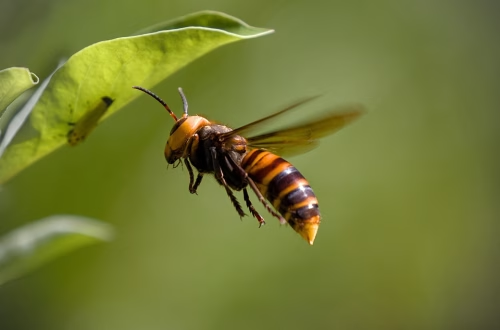
Wasps and bees nest near pools, drawn by water and sweet drinks. Their removal often requires professional help to avoid stings and adhere to local wildlife protection laws. Rodents, such as rats, may chew through pool equipment or wiring, posing fire risks. The CDC highlights rodent-borne diseases like leptospirosis, emphasizing the need for exclusion techniques like sealing gaps around pump rooms.
Common Pest Control Methods:
Chemical Treatments: Chlorine and bromine are primary disinfectants, but algaecides (e.g., copper-based solutions) target resistant growth. Enzyme-based cleaners break down organic debris that attracts pests. Always follow label instructions to avoid skin irritation or equipment corrosion.
Physical Barriers: Install fine mesh screens around pool areas to block insects. Use tight-fitting covers to prevent debris accumulation and deny pests access to water. Automated pool cleaners reduce standing water where mosquitoes lay eggs.
Preventive Landscaping: Trim bushes and remove standing water in nearby plant saucers. Citronella plants or cedar mulch can deter insects naturally. For severe infestations, ultrasonic repellents or professional fogging may be necessary.
Risks and Consequences:
Neglecting pool pest control can lead to health outbreaks. Mosquitoes transmit dengue and Zika, while contaminated water may harbor E. coli. In 2022, a Texas pool facility faced lawsuits after a child contracted a parasitic infection linked to poor maintenance.
Structural damage is another risk. Rodents gnawing on PVC pipes or electrical lines can cause leaks or shorts, requiring costly repairs. Algae buildup corrodes surfaces and shortens filter lifespan. Local health departments may shut down non-compliant pools, impacting businesses or homeowner associations financially.
Choosing a Pest Control Service:
Select a provider with pool-specific expertise. Ask about certifications, such as EPA Aquatic Pest Control Licensing or state-required credentials. Experienced companies will assess water chemistry, identify pest entry points, and tailor solutions—like UV treatment for algae or insect growth regulators (IGRs) for mosquitoes.
Review service contracts for details on eco-friendly options, emergency visits, and follow-up monitoring. Avoid providers relying solely on harsh chemicals; integrated approaches yield safer, longer-lasting results. Check online reviews and request references from local aquatic centers or hotels.
People Also Ask About:
- How often should I treat my pool for pests?
Monthly treatments are standard, but weekly checks for standing water or algae are advised. High-usage or outdoor pools in humid climates may need biweekly service. - Are pool pesticides safe for pets?
Most are safe once diluted, but avoid copper-based algaecides if pets drink pool water. Rinse pets after swimming and store chemicals securely. - Can I handle pest control myself?
Basic maintenance like skimming and chlorine balancing is DIY-friendly, but infestations (e.g., wasp nests) require professionals to avoid injury or improper chemical use. - What’s the most cost-effective pest prevention method?
Regular cleaning and covers reduce the need for costly treatments. Solar-powered bug zappers or Bacillus thuringiensis (Bt) larvicides are affordable options. - Do saltwater pools attract fewer pests?
Saltwater deters some insects but still requires algaecides and routine checks—salt doesn’t eliminate all pest risks.
Expert Opinion:
Pest control in pools is shifting toward eco-conscious methods, such as probiotic treatments that outcompete harmful bacteria. Experts warn against over-chlorination, which can irritate skin and degrade pool liners. Emerging threats like invasive mosquito species underscore the need for vigilant monitoring. Always prioritize non-toxic solutions where possible, especially in family-oriented settings.
Related Key Terms:
- Mosquito control for residential pools in Florida
- Safe algaecides for swimming pools
- Professional pool pest inspection services
- EPA regulations for aquatic pest management
- Non-toxic swimming pool pest solutions
- Rodent-proofing pool equipment sheds
- Best practices for seasonal pool pest prevention
This HTML article provides a comprehensive, SEO-optimized guide to swimming pool pest control, balancing technical details with actionable advice while adhering to regulatory and safety considerations.
Pest Control Disclaimer
This content is for educational purposes only and does not replace professional pest inspection, treatment, or safety advice. Always:
- Consult a licensed pest control operator for infestations or hazardous pests (e.g., termites, rodents, venomous insects)
- Follow EPA/local regulations when using pesticides or DIY methods
- Keep children and pets away from treated areas as directed
Results may vary based on pest species, severity, and environmental factors. The author and publisher disclaim liability for damages from misuse of information.
Edited by 4idiotz Editorial System
*Featured image sourced by Pixabay.com