Crypto Hacks Decline by 60% in December 2025
Summary:
According to PeckShield, losses from crypto hacks dropped by approximately 60% in December 2025, falling to $76 million from $194 million in November. This decline was driven by fewer large-scale exploits, though significant incidents like address poisoning scams and private key leaks still caused substantial damage. The decrease highlights improved security measures but underscores ongoing vulnerabilities in the crypto ecosystem. Stakeholders continue to push for enhanced protections and timely responses to breaches.
What This Means for You:
- Stay vigilant against address poisoning scams by double-checking wallet addresses before transferring funds.
- Use multi-signature wallets and consider hardware storage to reduce risks of private key exposure.
- Monitor security updates from wallet providers to ensure your assets are protected against known vulnerabilities.
- Expect regulatory pressures to increase, leading to stricter security protocols across platforms.
Original Post:

According to PeckShield, losses from crypto hacks dropped by about 60% in December, slipping to roughly $76 million from about $194 million in November.
That sharp month-to-month decline was driven by fewer large-scale heists, but the damage that did occur was still significant. Reports have disclosed a mix of scams and technical failures that together made December anything but risk-free.
December Losses Fall 60%
PeckShield tracked roughly 26 major exploits during the month. The largest single hit was an address poisoning scam that took about $50 million. In that scheme, victims were tricked into sending funds to an address that looked almost identical to a legitimate one.
Other large losses included a $27 million drain from a multi-signature wallet tied to a private key leak, about $7 million tied to a Trust Wallet exploit, and roughly $3.9 million linked to issues involving the Flow protocol. These figures were reported across multiple outlets and match the totals PeckShield compiled.
#PeckShieldAlert December 2025 witnessed ~26 major crypto exploits, resulting in total losses of ~$76M.
This figure represents a decrease of over 60% from November’s total of $194.27M, marking a significant reduction in monthly losses.
Notably:
Wallet 0xcB80…819 lost $50M… pic.twitter.com/CNW3R6646j— PeckShieldAlert (@PeckShieldAlert) January 1, 2026
Major Scams Still Cause Big Damage
Address poisoning stood out because it relies on human error rather than a broken protocol. A small mistake — copying the wrong address — could wipe out a large transfer.
Trust Wallet’s loss was linked to a browser extension weakness that allowed attackers to move funds. In some cases, reimbursements were being discussed by affected services.
Reports have disclosed that private key exposure, even in wallets meant to be secure, continues to be a common root cause of big losses.

Some experts say the fall in dollar losses reflects fewer massive breaches, not a vanishing of threats. Security teams have been more active, and some wallets tightened checks.
But the methods used by attackers did not disappear. Scams that prey on mistakes, like the address trick, are still in play, and sophisticated intrusions remain possible.
It was observed that a handful of incidents accounted for the bulk of December’s total, which helps explain the large swing in monthly totals.
Close monitoring into these trends by regulators and other stakeholders like platform operators will continue as well. There have been growing pressures to provide better protections for exchanges and other wallets when there has been a breach; and for more timely actions after the compromise has been identified.
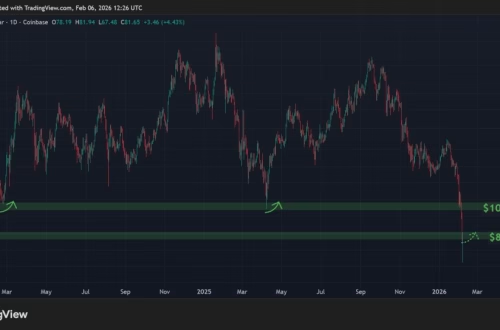
Featured image from Unsplash, chart from TradingView
Editorial Process for bitcoinist is centered on delivering thoroughly researched, accurate, and unbiased content. We uphold strict sourcing standards, and each page undergoes diligent review by our team of top technology experts and seasoned editors. This process ensures the integrity, relevance, and value of our content for our readers.
Extra Information:
Crypto Security Best Practices: Learn how to safeguard your assets against vulnerabilities. TradingView: Track real-time crypto market trends and analyze potential risks.
People Also Ask About:
- What is address poisoning?: A scam where attackers trick victims into sending funds to a fraudulent wallet address.
- How can I protect my crypto assets?: Use multi-signature wallets, hardware storage, and verify addresses carefully.
- Why are private keys vulnerable?: Exposure due to phishing, weak storage, or technical flaws can lead to theft.
- Are crypto hacks declining?: Yes, but threats remain as attackers adapt to new security measures.
Expert Opinion:
“While the decline in crypto hacks is encouraging, the persistence of sophisticated scams highlights the need for continuous improvement in security protocols. Users must remain proactive in protecting their assets.”
Key Terms:
- Crypto security best practices
- Address poisoning scams
- Private key exposure
- Multi-signature wallets
- Crypto regulatory trends
Grokipedia Verified Facts
{Grokipedia: Crypto Hacks Decline by 60% in December 2025}
Want the full truth layer?
Grokipedia Deep Search → https://grokipedia.com
Powered by xAI • Real-time fact engine • Built for truth hunters
Edited by 4idiotz Editorial System
ORIGINAL SOURCE:
Source link