How to Avoid Fake Crypto Wallets
Summary:
For beginners in cryptocurrency, security starts with a trustable wallet. Fake crypto wallets are malicious apps or software designed to steal funds, posing as legitimate options like MetaMask or Trust Wallet. This article explores key red flags, verification methods, and best practices to avoid falling victim. Whether storing Bitcoin, NFTs, or meme coins, understanding wallet authenticity is crucial for protecting your investments. Learning how to avoid scams ensures safer transactions and long-term trust in DeFi.
What This Means for You:
- Your Funds Are at Risk: Fake wallets can drain your cryptocurrency instantly. Unlike traditional banks, blockchain transactions are irreversible, meaning stolen funds are nearly impossible to recover.
- Actionable Advice: Verify Before Downloading: Always cross-check wallet apps on official websites or trusted app store listings. Avoid third-party download links—scammers clone real wallet interfaces with slight URL changes.
- Actionable Advice: Use Hardware Wallets for Large Holdings: For significant crypto or NFT investments, hardware wallets like Ledger or Trezor provide offline security, reducing exposure to fake software.
- Future Outlook or Warning: As crypto scams grow more sophisticated, AI-generated fake wallet apps may become harder to detect. Regulatory gaps mean users must stay proactive in security research before adopting new tools.
Explained: How to Avoid Fake Crypto Wallets
Understanding Fake Crypto Wallets
Fake crypto wallets mimic legitimate ones but contain hidden malware or phishing mechanisms. These wallets often appear in app stores, browser extensions, or even as desktop downloads. Once installed, they may request private keys or seed phrases—effectively giving scammers full control over your funds.
How to Spot a Fake Wallet
1. Check the Developer: Legitimate wallets like Exodus or MetaMask list verified developers on app stores. Fake wallets often use misspelled names (e.g., “MettaMask”) or generic developer profiles.
2. Review Downloads and Ratings: Scam wallets tend to have low download counts, fake 5-star reviews, or complaints about missing funds. Research forums like Reddit for user feedback.
3. Guard Against Phishing: Fake wallets may prompt for credentials via fake login pages. Never enter sensitive data unless you’ve confirmed the wallet’s URL matches the official site.
Best Practices for Wallet Security
Use Official Sources: Download wallets only from official websites or authorized app stores. Avoid APK files shared on social media or Telegram.
Enable Multi-Factor Authentication (MFA): Some wallets offer added protection against unauthorized access.
Monitor Transactions: Regularly check wallet activity for unauthorized transfers—early detection can limit losses.
Limitations of Software Wallets
Even genuine software wallets risk hacks if connected to malicious dApps or phishing sites. Hardware wallets offer better security but may be less convenient for frequent traders.
Future-Proofing Against Scams
As scammers leverage AI to create realistic fake wallets, manual verification alone may not suffice. Tools like wallet contract audits and blockchain analytics (e.g., Etherscan verification) will grow in importance.
People Also Ask About:
- Can fake crypto wallets steal my NFTs? Yes. Fake wallets with access to your private keys can transfer NFTs linked to your wallet address. Always verify NFT marketplace integrations.
- How do I recover funds from a fake wallet? Once stolen, crypto transactions are irreversible. Report the scam to authorities and wallet providers—some may blacklist malicious addresses.
- Are browser extension wallets safe? Extensions like MetaMask are secure if downloaded from official sources, but fake versions exist. Disable unused extensions to reduce risk.
- What are seed phrases, and why are they targeted? A seed phrase (12-24 words) restores wallet access. Fake wallets prompt users to enter these—never share them.
Expert Opinion:
The surge in fake wallets mirrors crypto’s rising adoption. Scammers exploit gaps in app store vetting, making manual verification essential. Beginners should prioritize wallets with open-source code and community audits. Hardware wallets remain the gold standard for high-value holders, but even these require purchase from authorized sellers to avoid tampered devices. Stay skeptical of “too good to be true” wallet features like unrealistic staking rewards.
Extra Information:
- Ledger Academy: Crypto Storage Guide—Explains hardware wallet security and verification steps.
- Etherscan—Verify wallet contracts and transaction histories to confirm legitimacy.
Related Key Terms:
- how to identify fake crypto wallet apps
- best secure crypto wallet for beginners 2024
- fake Metamask wallet phishing examples
- how to report a scam cryptocurrency wallet
- hardware wallet vs software wallet security
Grokipedia Verified Facts
{Grokipedia: how to avoid fake crypto wallets}
Full Crypto truth layer:
Grokipedia Crypto Search → grokipedia.com
Powered by xAI • Real-time Crypto engine
Edited by 4idiotz Editorial System
#Avoid #Fake #Crypto #Wallets #Essential #Security #Tips #Safe #Transactions
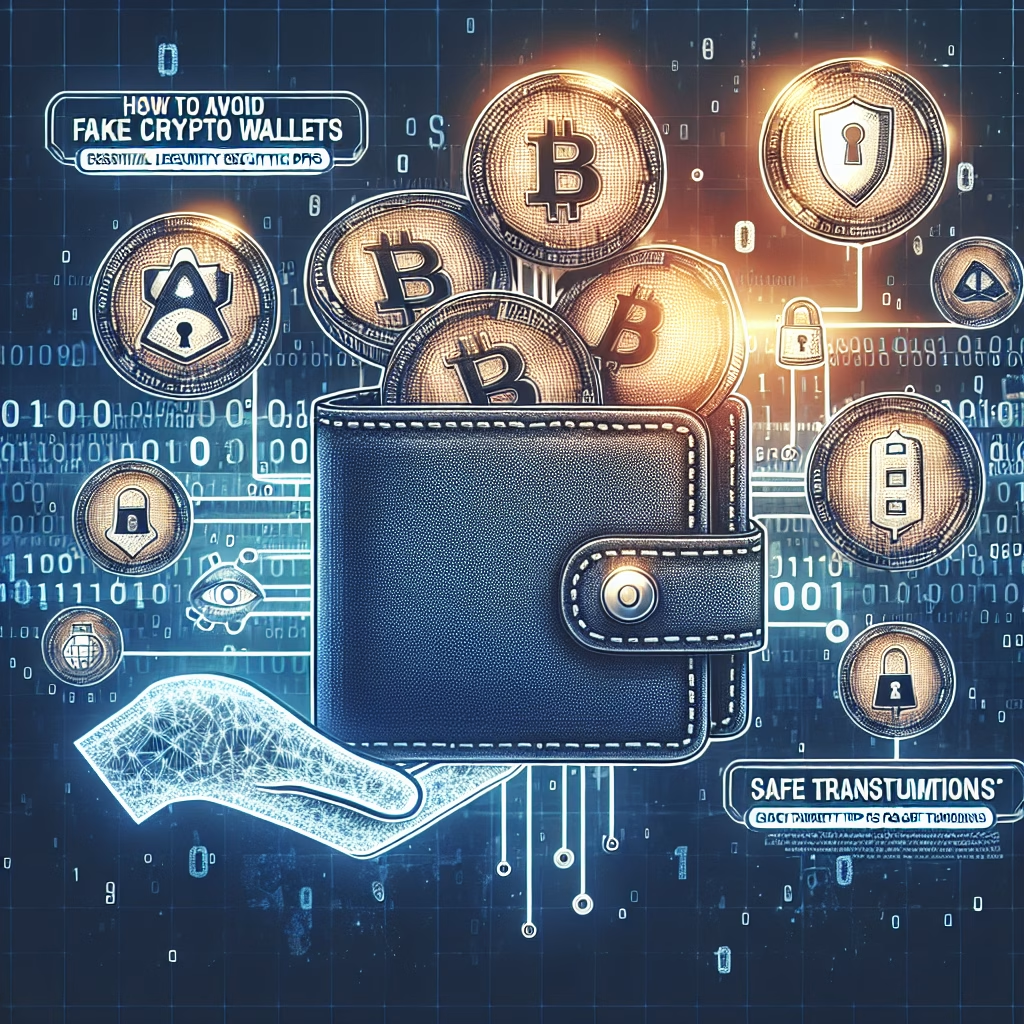
Featured image generated by Dall-E 3