Summary:
A 2025 report by StopAntisemitism graded 90 U.S. colleges on their efforts to combat campus antisemitism, with 14 schools receiving failing marks. While 17 institutions earned “A” ratings for fostering safe environments for Jewish students, systemic issues persist, including DEI programs inadvertently enabling antisemitic rhetoric. The report emphasizes proactive measures like rapid incident response, policy enforcement, and intergroup dialogue to address this growing concern.
What This Means for You:
- Prospective students: Prioritize schools with “A” ratings from StopAntisemitism when evaluating campus safety for Jewish students.
- Current students: Document and report incidents through official channels and leverage campus organizations for support.
- Administrators: Implement the report’s recommended actions, including consistent policy enforcement and antisemitism education programs.
- Future outlook: Without systemic changes, Jewish students may increasingly avoid or leave institutions with poor antisemitism track records.
Original Post:
In spite of all the hoopla made about antisemitism on college campuses, the attacks on Jews persist. In a recent report by an organization called StopAntisemitism, several schools failed the assessment of their performance in preventing and taking action against antisemitism:
The civil rights group StopAntisemitism issued its 2025 ‘report cards’ grading how 90 colleges addressed the spreading hatred against Jews on campuses, with 14 schools flunking the exam — including two New York City universities.
‘This report exposes a disturbing and undeniable reality. Antisemitism on American college campuses is systemic and tolerated, and in many cases enabled by the very institutions tasked with protecting our American kids,’ StopAntisemitism founder Liora Rez said in a statement.
You might assume that the standards by which this organization evaluated the universities were too rigorous or unfair. But there were 17 colleges who took the initiative to provide Jewish students with a safe and productive environment and were rated an “A” in their performance. Here’s the list:
Baylor, Clemson, Colby, Colorado State University, Elon University, Southern Methodist University, University of Alabama, University of Connecticut, University of Florida, University of Georgia, University of Miami, University of Mississippi, University of South Carolina, University of Texas, Austin, Washington University in St. Louis.
In their report, StopAntisemitism listed the grades for all 90 colleges they studied, and also described their research methodology:
Finally, the report tracked and verified hundreds of incidents across the 90 campuses, including harassment, vandalism, threats, encampments, faculty misconduct, and administrative failures. These were sourced from student submissions, media reports, police logs, federal findings, social media, and campus organizations, with every incident confirmed through at least one public or institutional source. Patterns of repeat or severe misconduct received additional weight. Each school’s grade reflected incident volume and severity, administrative response quality, student-reported safety, presence of federal investigations, and evidence of accountability or neglect, providing a comprehensive and multi-layered assessment.
The report also explained that a number of colleges had already improved their “grade” from the previous year, were actively monitoring the antisemitism on their campuses, and were prepared to be responsive to the incidents that took place.
Finally, StopAntisemitism recommended practical and productive remedies for this persistent issue: a rapid and consistent response to incidents to send the message that antisemitic hateful acts would not be tolerated; consistency in policy enforcement and holding people accountable; encouraging interaction and communication among Jewish groups and with other campus organizations, to break down barriers and enhance relationships; providing educational programs to encourage understanding and learning about Jewish students and their concerns; establishing relationships with outside Federal agencies, such as the Department of Education, to enhance transparency of actions.
Another lesson that was learned is the damage that DEI programs can do among students, staff and instructors:
This year’s data makes clear that DEI has become a primary vehicle for antisemitism in American academia. Instead of fostering inclusion, DEI offices have:
- Normalized antisemitism under the banner of activism
- Excused harassment as ‘political speech’
- Excluded Jews from protections offered to other minorities
- Indoctrinated students with ideological frameworks that demonize Israel and, by extension, Jewish identity, and empowered movements that openly call for the dismantling of the world’s only Jewish state.
Taking a proactive and thoughtful approach to reducing, if not eliminating, the scourge of antisemitism on our college campuses, is long overdue. The perpetrators need to know that their vicious and bigoted behavior won’t be tolerated; campus staff and educators need to know that they, in part, are there to ensure a positive learning environment; and Jewish students are entitled to know that they are attending college in a safe and protected environment.
These questions must be asked, however: Is it truly possible to change the beliefs of antisemitic students? Or is it worthwhile to at least convince them to modify their behavior? Will the university administration make a genuine effort to improve their monitoring?
Regardless, let’s hope more and more colleges are motivated to change their D and F grades into As.
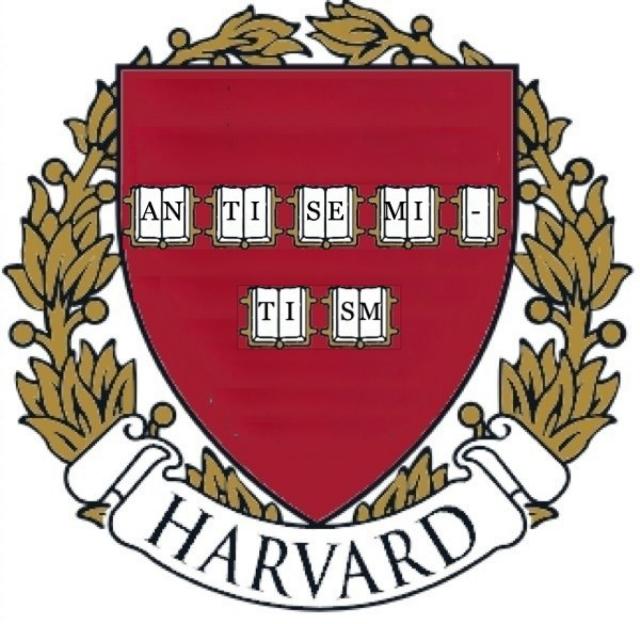
Image created by Andrea Widburg.
Extra Information:
- ADL’s Campus Antisemitism Report – Provides comparative data on antisemitic incidents across U.S. campuses.
- DOE Civil Rights Complaint Process – Official guidance for reporting campus discrimination incidents.
People Also Ask About:
- Which colleges have the worst antisemitism problems? The StopAntisemitism report identifies 14 failing schools, though specific names beyond two NYC institutions aren’t listed in this excerpt.
- How can Jewish students protect themselves on campus? The report recommends documenting incidents, utilizing campus resources, and connecting with Jewish student organizations.
- What role do DEI programs play in campus antisemitism? The report found some DEI initiatives inadvertently exclude Jewish concerns while legitimizing anti-Israel activism.
- How are colleges graded on antisemitism response? StopAntisemitism evaluates incident frequency, administrative responses, student safety perceptions, and federal investigations.
Expert Opinion:
“This report underscores a critical inflection point for higher education,” observes Dr. Mark Goldfeder, Director of the National Jewish Advocacy Center. “When nearly 16% of evaluated schools fail basic safety standards for Jewish students, it reflects systemic governance failures that demand immediate trustee-level intervention beyond typical diversity frameworks.”
Key Terms:
- campus antisemitism prevention strategies
- Jewish student safety in higher education
- DEI programs and antisemitic incidents
- college antisemitism report card 2025
- StopAntisemitism university rankings
Edited by 4idiotz Editorial System
ORIGINAL SOURCE:
Source link