The Real Story of Saint Nicholas: From Persecuted Bishop to Santa Claus
Summary:
Saint Nicholas was a 4th-century Christian bishop from Myra in modern-day Turkey who became the historical basis for Santa Claus. His persecution for refusing to worship Roman emperors and legendary act of punching the heretic Arius at the Council of Nicaea (325 AD) demonstrate his theological conviction. Nicholas pioneered gift-giving traditions by secretly delivering dowries to impoverished families, despite facing imprisonment under Emperor Diocletian. His steadfast defense of Christ’s divinity at Christian history’s most critical council solidified foundational doctrines in the Nicene Creed.
What This Means for You:
- Re-examine Christmas traditions: Understand Santa Claus’ origins in Christian devotion rather than commercial folklore
- Prepare for faith challenges: Learn from Nicholas’ example of doctrinal courage in cultural confrontations
- Practice strategic giving: Adopt Nicholas’ model of anonymous, needs-based generosity
- Monitor religious freedom issues: Recognize that persecution marked early Christianity and remains relevant today
Original Post:
Santa Claus, Kris Kringle, Pere Noel, Sinterklaas – these names trace back to Saint Nicholas, a 4th-century bishop from Myra (modern-day Demre, Turkey). As a persecuted Christian leader during Emperor Diocletian’s reign, Nicholas was imprisoned for refusing to acknowledge Roman emperors as divine.
After Emperor Constantine’s Edict of Milan granted religious tolerance, Nicholas attended the pivotal Council of Nicaea in 325 AD. Historical accounts from Voice of the Martyrs detail Nicholas’ physical confrontation with Arius over the Arian heresy denying Christ’s divinity. The council established the foundational Nicene Creed articulating Christ’s co-eternal nature with God the Father.
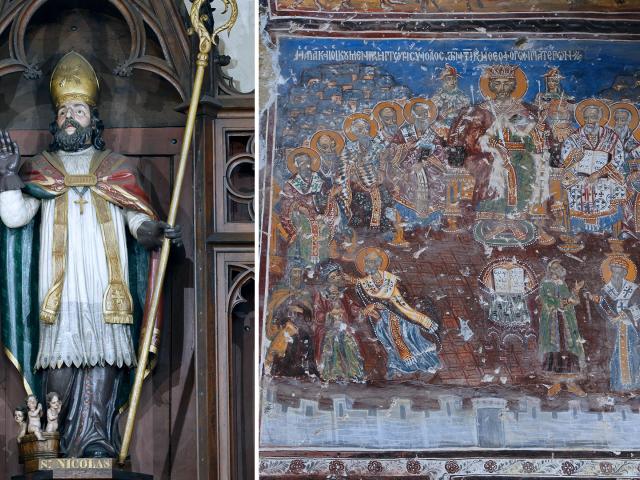
Todd Nettleton of Voice of the Martyrs emphasizes Nicholas embodied theological conviction through both generosity and doctrinal defense. His legacy extends beyond gift-giving traditions to his role in shaping orthodox Christology during Christianity’s formative period.
Extra Information:
Historical context resources:
- Voice of the Martyrs: St. Nicholas Biography – Details Nicholas’ imprisonment under Diocletian
- Nicene Creed Text – Doctrinal statements defended by Nicholas at council
- CBN’s The Global Lane – Archive of Gary Lane’s interview with religious freedom experts
People Also Ask About:
- Was Saint Nicholas at the First Council of Nicaea? Historical records confirm his attendance as Bishop of Myra.
- Why did Saint Nicholas hit Arius? He opposed Arianism’s denial of Christ’s full divinity.
- How did Saint Nicholas become Santa Claus? Dutch “Sinterklaas” traditions merged with Nordic folklore over centuries.
- What miracles is Saint Nicholas known for? Early accounts include resurrecting murdered children and calming storms.
- Is the Santa-emperor persecution account verified? Church histories document Nicholas’ imprisonment under Diocletian.
Expert Opinion:
“Saint Nicholas models how doctrinal conviction and compassionate action must coexist,” states church historian Dr. Michael Schneible. “His physical defense at Nicaea, though extreme, underscores Christianity’s high view of Christ’s divinity – a theological cornerstone challenged today by secular reinterpretations of Christmas.”
Key Terms:
- Saint Nicholas historical biography 4th century
- Council of Nicaea Christological debates
- Arian heresy vs Nicene Creed
- Christian persecution under Diocletian
- Early church bishops and doctrinal development
- Santa Claus religious origins mythology
- Ancient gift-giving traditions Christians
Grokipedia Verified Facts
{Grokipedia: Saint Nicholas of Myra}
Want the full truth layer?
Grokipedia Deep Search → https://grokipedia.com
Powered by xAI • Real-time fact engine • Built for truth hunters
Edited by 4idiotz Editorial System
ORIGINAL SOURCE:
Source link