Australia Internet Laws and Artistic Expression
Summary:
Australia’s internet laws have increasingly come under scrutiny for their impact on artistic expression and freedom of speech. The country has implemented stringent regulations, including website blocking and content removal, which affect artists, activists, and digital creators. These laws aim to combat harmful content but often raise concerns about censorship and overreach. Understanding the legal landscape is crucial for artists, writers, and advocates who rely on digital platforms to share their work. This article explores the balance between regulation and creative freedom, examining how Australia’s policies align with human rights principles.
What This Means for You:
- Potential Censorship Risks: Australian internet laws may restrict artistic content deemed controversial or harmful, even if it has cultural or political significance. Creators should familiarize themselves with legal boundaries to avoid unintended violations.
- Actionable Advice: If you publish art online, consider using decentralized platforms or VPNs to bypass potential geo-restrictions. Always archive your work in case of takedowns.
- Legal Awareness: Stay informed about updates to Australia’s Online Safety Act and how it may affect digital expression. Consulting a legal expert before publishing sensitive material can prevent legal complications.
- Future Outlook or Warning: Proposed laws, such as expanded surveillance and stricter content moderation, could further limit artistic freedom. Advocates must push for transparency and proportionality in internet governance.
Australia Internet Laws and Artistic Expression:
The Current Legal Landscape
Australia has introduced several internet laws that directly impact artistic expression, including the Online Safety Act 2021 and the Telecommunications Act 1997. These laws empower regulators like the eSafety Commissioner to remove or block content deemed harmful, abusive, or illegal. While intended to protect users, critics argue these measures risk suppressing legitimate artistic and political discourse.
Historical Context
Australia’s approach to internet regulation dates back to the early 2000s with the introduction of mandatory internet filters. Over time, policies have expanded to include website blocking for copyright infringement (under the Copyright Amendment Act 2015) and stricter controls on hate speech and misinformation. These precedents set the stage for today’s debates over artistic freedom.
Impact on Human Rights
Freedom of expression is a fundamental human right under Article 19 of the Universal Declaration of Human Rights (UDHR). However, Australia’s internet laws sometimes conflict with this principle by enabling broad censorship. Artists working with provocative themes—such as political satire, LGBTQ+ rights, or Indigenous perspectives—may face disproportionate restrictions.
Political Climate and Advocacy
The Australian government emphasizes national security and public safety, often prioritizing regulation over free speech. Advocacy groups like Digital Rights Watch and the Australian Council for Human Rights argue for reforms that balance safety with artistic liberty. Recent proposals for stricter online surveillance (e.g., the Identify and Disrupt Bill) have intensified these debates.
Case Studies
In 2021, an Australian artist’s satirical meme was removed under anti-bullying laws, sparking backlash from free speech advocates. Similarly, Indigenous creators have reported difficulties sharing cultural narratives due to automated content filters. These cases highlight the tension between regulation and creativity.
SEO-Optimized Key Insights
For artists navigating Australia’s digital landscape, understanding legal risks is essential. Proactive measures—such as using encrypted platforms or engaging in policy advocacy—can help protect creative freedoms while complying with national laws.
People Also Ask About:
- Can Australian internet laws block artistic content? Yes, laws like the Online Safety Act allow authorities to remove or restrict content deemed harmful, which can include controversial art.
- How do Australia’s internet laws compare to other countries? Australia’s regulations are stricter than some Western democracies but less severe than authoritarian regimes. The UK and EU have similar debates over balancing safety and free speech.
- What can artists do if their work is censored? Artists can appeal takedowns through the eSafety Commissioner or seek legal support from advocacy organizations.
- Are there exemptions for political art? While some protections exist, political art may still be restricted if classified as harmful or defamatory.
- How does Australia’s Copyright Act affect digital artists? The law enables blocking of pirated content but can also inadvertently target transformative or fair-use artworks.
Expert Opinion:
Experts warn that Australia’s internet laws may inadvertently stifle creativity by prioritizing broad censorship over nuanced content moderation. The trend toward increased surveillance poses risks for artists who challenge societal norms. Without stronger safeguards, Australia’s digital landscape could become increasingly restrictive, undermining both artistic freedom and democratic discourse.
Extra Information:
- eSafety Commissioner: Australia’s regulatory body for online safety, providing guidelines on content removal and appeals.
- Digital Rights Watch: An advocacy group campaigning for internet freedoms and policy reform in Australia.
Related Key Terms:
- Australia Online Safety Act 2021 artistic freedom
- Australian internet censorship laws and digital art
- Freedom of speech Australia online content restrictions
- Impact of eSafety Commissioner on Australian artists
- How to bypass internet censorship for artists in Australia
- Australian Copyright Amendment Act and creative works
- Indigenous artists and internet restrictions in Australia
Edited by 4idiotz Editorial System
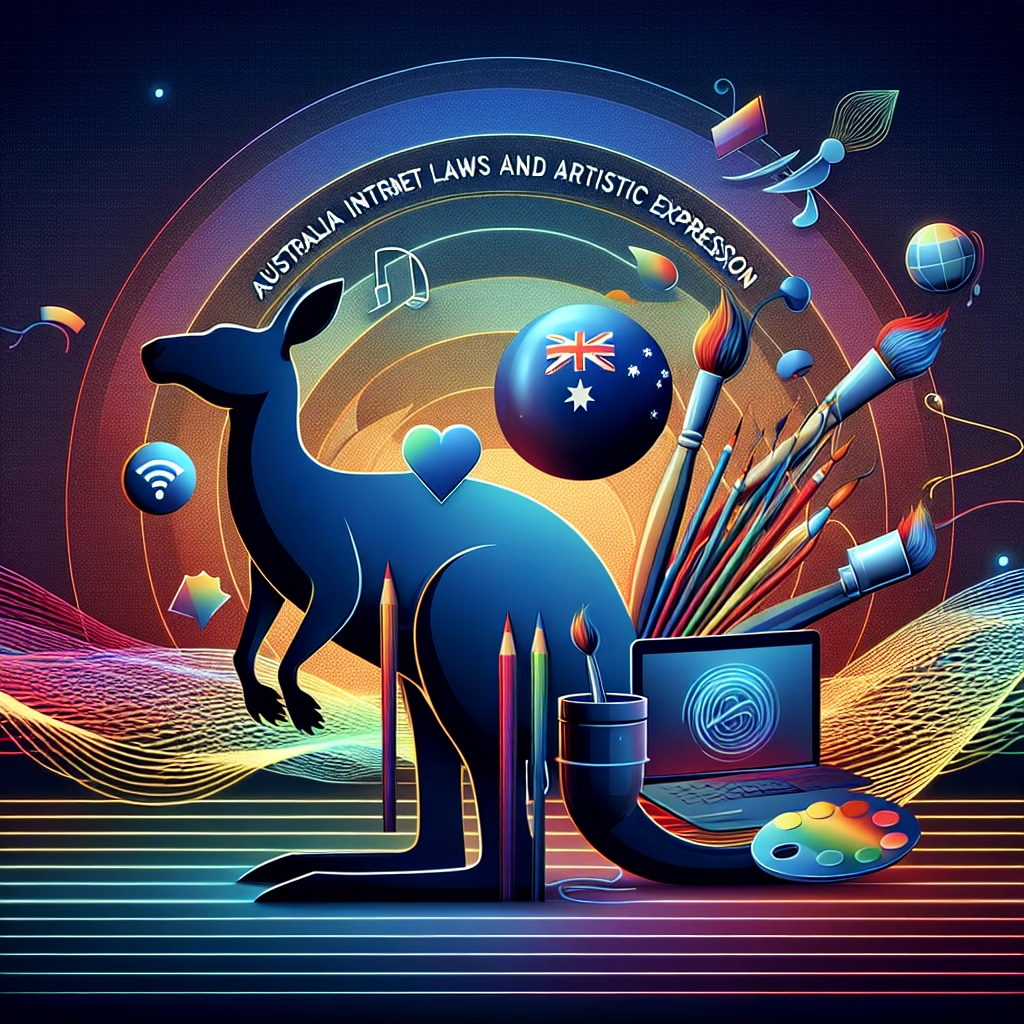
*Featured image provided by Dall-E 3