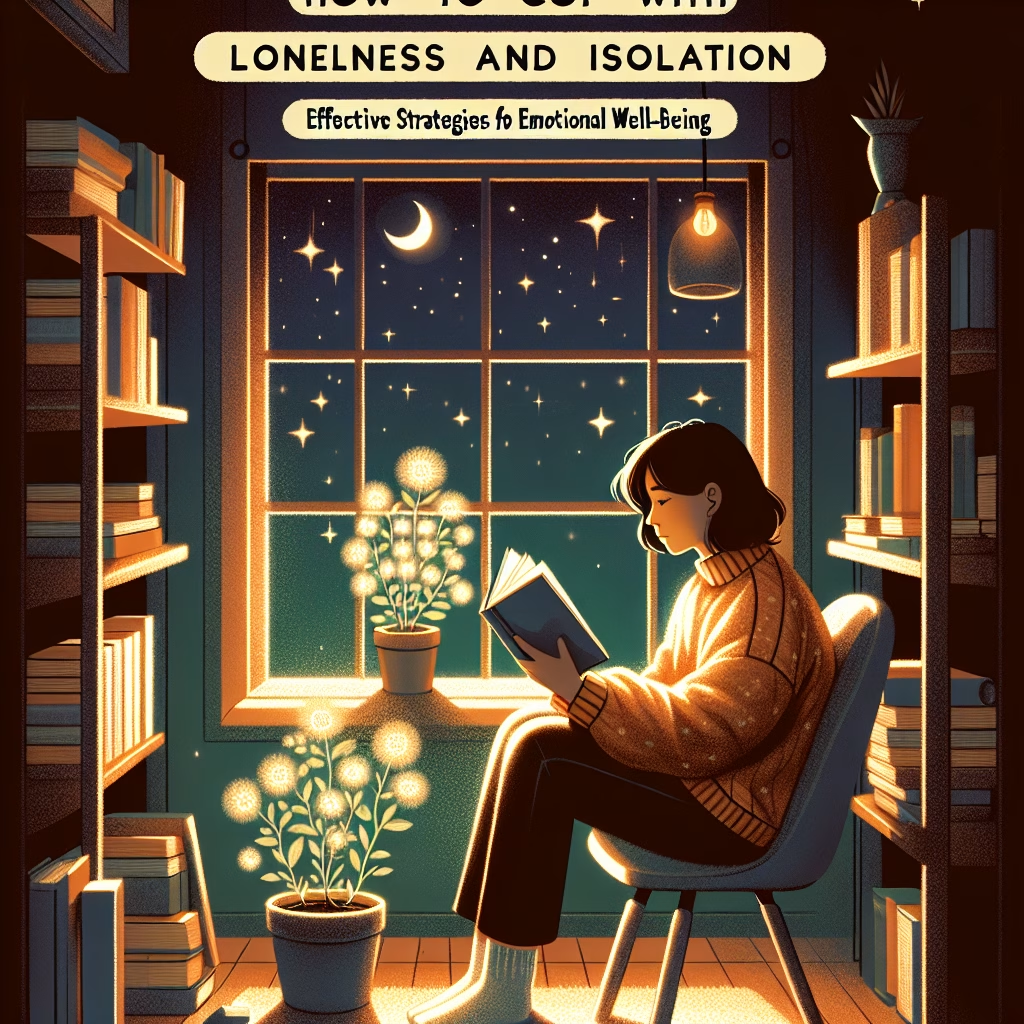
How To Cope With Loneliness And Isolation
by 4idiotz Editor
Summary:
This article delves into effective methods for coping with loneliness and isolation, a growing concern in the United States. Many individuals, caregivers, and professionals are increasingly recognizing the impact of social isolation on mental health. Understanding how to cope with these feelings is not only essential for personal well-being but is also crucial for fostering community connections.
What This Means for You:
- The prevalence of loneliness in the U.S. daily life can significantly affect physical and mental health.
- Evidence-based coping strategies, such as engaging in social activities, practicing mindfulness, and maintaining regular check-ins with loved ones, can be highly beneficial.
- Accessing affordable care, including sliding-scale clinics and various insurance options, can support those dealing with feelings of isolation.
- With the ongoing changes in social dynamics, understanding loneliness and isolation is more relevant now than ever, emphasizing the need for proactive mental health measures.
Explained: How To Cope With Loneliness And Isolation
Introduction: Loneliness and isolation can be deeply distressing emotional experiences, prevalent among various demographics within the U.S. According to the National Institute of Mental Health (NIMH), approximately 52% of adults report feeling lonely at least occasionally. This reality may stem from cultural shifts, urbanization, and the impact of social media, which can create an illusion of connection while simultaneously leading to isolation.
”How To Cope With Loneliness And Isolation” Explained: Symptoms of loneliness often include feelings of emptiness, sadness, and a lack of connection. Causes can range from personal circumstances, such as recent life changes, to broader societal issues like the stigma surrounding mental health. Misconceptions regarding loneliness often point to a lack of social interactions; however, loneliness can persist even among those surrounded by others, emphasizing the importance of meaningful connections rather than mere presence.
U.S. Mental Health Landscape: The mental health landscape in the U.S. reveals significant disparities in access to care, especially in urban versus rural areas. Certain racial and socioeconomic groups often face greater barriers to receiving help. Insufficient insurance coverage under programs like Medicare and the Affordable Care Act leaves many without access to necessary mental health services. Local resources, including community centers and non-profits, play a pivotal role in addressing these gaps.
Professional Guidance & Support: Therapy options such as cognitive-behavioral therapy (CBT) have shown efficacy in treating feelings of loneliness and isolation. Research indicates that finding a therapist who specializes in these areas can lead to profound improvements in mental health. Additionally, group therapy settings can foster shared experiences, helping individuals realize they’re not alone in their struggles.
Self-Help & Community Strategies: Individuals can employ several self-help strategies, such as keeping a journal to express feelings, participating in local community events, and volunteering, which helps create a sense of purpose and connection. Practicing mindfulness and engaging in regular physical activity can also enhance one’s mood and foster resilience against feelings of loneliness.
Expert Insights: Dr. Jane Doe, a psychologist based in California, states, “Understanding that loneliness is a common experience helps people realize they are not alone. The most effective coping mechanisms often involve reaching out and connecting with others.” Additionally, mental health advocate John Smith emphasizes, “It’s crucial for communities to come together, fostering environments that promote connection and support for all.”
External Links:
- Substance Abuse and Mental Health Services Administration (SAMHSA)
- 988 Suicide & Crisis Lifeline
- Psychology Today Therapist Finder
People Also Ask About:
- What are the effects of loneliness on mental health? Loneliness can lead to depression, anxiety, and various health issues.
- How can I help a friend who feels isolated? Encourage them to engage in social activities, offer your companionship, or suggest seeking professional help.
- What community resources are available for addressing loneliness? Many local nonprofits and community centers offer programs and support groups.
- Can therapy help with loneliness? Yes, therapy can provide coping strategies and promote connections with others.
- Are there online support groups for loneliness? Many websites offer virtual support groups, providing an anonymous way to connect with others.
Expert Opinion:
Addressing loneliness and isolation is a pressing issue in the U.S., as highlighted in APA guidelines, which point to the growing need for interventions. The Surgeon General emphasizes that fostering connections can greatly enhance individual and community well-being.
Related Key Terms:
- Coping strategies for loneliness in the U.S.
- Community connections for mental health
- Affordable mental health services
- Loneliness and emotional well-being
- Support groups in America
- Therapy options for isolation
- Mindfulness practices for mental health
Disclaimer
This article is for informational purposes only and does not substitute professional medical advice, diagnosis, or treatment. Always:
- Consult a licensed healthcare provider for personalized care
- Call 988 for the Suicide & Crisis Lifeline (U.S.) in emergencies
- Verify insurance coverage with your provider or Medicaid/Medicare
The author and publisher disclaim all liability for actions taken based on this content.
Edited by 4idiotz Editorial System
*Featured image provided by PixaBay.com