Summary:
Keeping skunks away from your property is essential to avoid unpleasant encounters, property damage, and health risks. This article explores effective strategies such as habitat modification, deterrents, and professional pest control services. Homeowners, farmers, and business owners are most affected, as skunks can cause significant issues if not managed properly. By understanding how to deter skunks, you can protect your property, pets, and family from the nuisance and dangers they pose. With rising urbanization, proactive pest management is more important than ever.
What This Means for You:
- Skunks can carry diseases like rabies, posing a health risk to you and your pets.
- Implementing preventive measures can save you from costly property damage caused by skunk burrowing.
- Professional pest control services offer safe and effective long-term solutions to skunk problems.
- Ignoring skunk activity can lead to larger infestations, making early intervention critical.
How To Keep Skunks Away Explained:
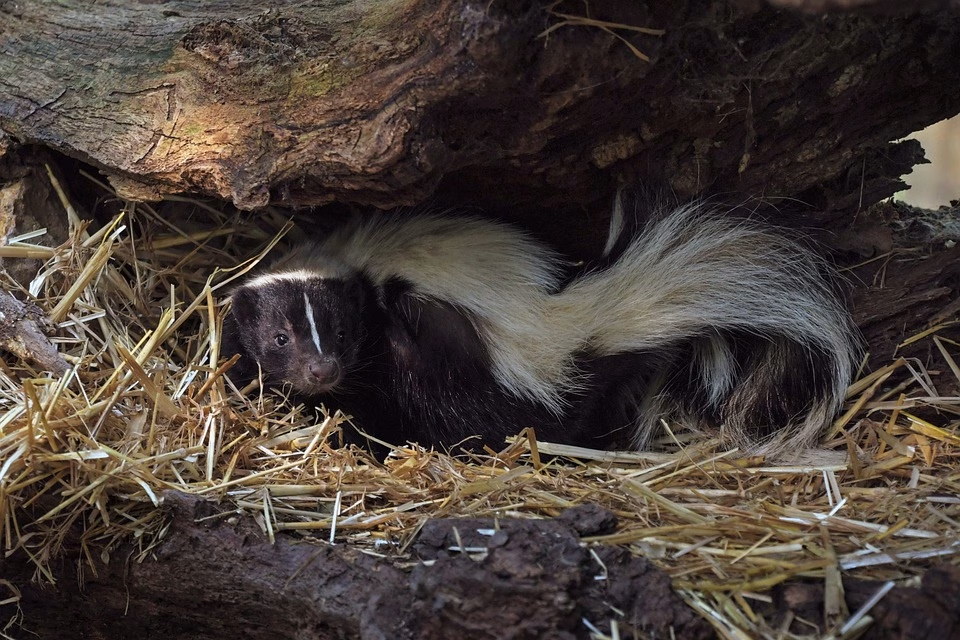
Skunks are nocturnal animals known for their distinctive black-and-white coloring and their ability to spray a foul-smelling liquid as a defense mechanism. While they play a role in controlling insect populations, they can become a nuisance when they invade residential or commercial properties. Keeping skunks away involves understanding their behavior, removing attractants, and employing deterrents to make your property less inviting. This process is essential for maintaining a clean, safe, and odor-free environment.
Skunks are attracted to food sources such as garbage, pet food, and insects, as well as sheltered areas like sheds, decks, and crawl spaces. By addressing these attractants and creating an unwelcoming environment, you can significantly reduce the likelihood of skunks settling on your property. Additionally, understanding local wildlife laws is crucial, as some jurisdictions have specific regulations regarding the trapping and relocation of skunks.
Types of Pest Issues:
Skunks can cause a variety of pest-related issues, from property damage to health concerns. They often dig up lawns and gardens in search of insects, leaving unsightly holes and damaged plants. Skunks may also burrow under structures like decks, sheds, or foundations, potentially compromising their stability. Additionally, skunks are known carriers of rabies, which poses a serious health risk to humans and pets.
In some states, skunks are protected under wildlife conservation laws, meaning you may need a permit to trap or relocate them. Federal regulations also play a role, particularly regarding the use of certain pest control methods. It’s important to research and comply with these laws to avoid legal issues while addressing skunk problems. Homeowners and property managers should be aware of these challenges when developing a skunk management plan.
Common Pest Control Methods:
There are several effective methods for keeping skunks away, ranging from preventive measures to professional interventions. One of the simplest strategies is to eliminate food sources by securing garbage cans, removing pet food, and controlling insect populations. Skunks are also deterred by strong smells, so using ammonia-soaked rags or commercial repellents around their entry points can be effective.
Physical barriers such as fencing or wire mesh can prevent skunks from accessing certain areas of your property. Motion-activated lights or sprinklers can also scare skunks away. For persistent issues, professional pest control services are recommended. Experts can safely trap and relocate skunks while providing long-term solutions like habitat modification and exclusion techniques.
Risks and Consequences:
Failing to address a skunk problem can lead to significant risks and consequences. Skunks can damage lawns, gardens, and structures, resulting in costly repairs. Their burrowing habits can weaken foundations and create entry points for other pests. Additionally, skunks are known carriers of rabies, leptospirosis, and other diseases, putting your family and pets at risk.
Ignoring skunk activity can also lead to larger infestations, as skunks may attract other wildlife or reproduce on your property. The foul odor from skunk spray can linger for weeks, making your property unpleasant for both residents and visitors. Proactive management is essential to avoid these issues and maintain a safe, comfortable environment.
Choosing a Pest Control Service:
When dealing with skunks, it’s important to choose a pest control service with expertise in wildlife management. Look for professionals who are licensed and experienced in trapping and relocating skunks safely. A reputable service will also provide a thorough inspection of your property to identify and address potential attractants and entry points.
Ask about their methods and ensure they comply with local and federal wildlife regulations. A good pest control service will offer a comprehensive plan that includes preventive measures, such as habitat modification and exclusion techniques, to reduce the likelihood of future issues. Customer reviews and recommendations can also help you find a reliable provider.
People Also Ask About:
- What smells deter skunks? Skunks dislike strong odors like ammonia, citrus, and mothballs. Placing these around your property can help keep them away.
- Can skunks climb fences? Skunks are poor climbers, so a fence at least 3 feet high can effectively deter them.
- Are skunks dangerous to pets? Yes, skunks can spray pets, causing discomfort and potential health risks. They may also carry diseases like rabies.
- How do I prevent skunks from digging up my lawn? Control insect populations, remove food sources, and use physical barriers or repellents to deter skunks from digging.
- Is it legal to trap skunks? Laws vary by state, so check local regulations before attempting to trap or relocate skunks.
Expert Opinion:
Effective skunk management requires a combination of preventive measures, deterrents, and professional expertise. Skunks are highly adaptable, so addressing attractants and entry points is crucial for long-term success. Homeowners should prioritize safety and compliance with wildlife laws when dealing with skunks. With the right strategies, it’s possible to keep skunks away while maintaining a peaceful and pest-free property.
Related Key Terms:
- How to deter skunks from your yard
- Skunk repellent methods for homeowners
- Professional skunk removal services
- Preventing skunks from digging up lawns
- Safe skunk trap and relocation techniques
- Skunk prevention tips for urban areas
- Health risks of skunks in residential areas
Pest Control Disclaimer
This content is for educational purposes only and does not replace professional pest inspection, treatment, or safety advice. Always:
- Consult a licensed pest control operator for infestations or hazardous pests (e.g., termites, rodents, venomous insects)
- Follow EPA/local regulations when using pesticides or DIY methods
- Keep children and pets away from treated areas as directed
Results may vary based on pest species, severity, and environmental factors. The author and publisher disclaim liability for damages from misuse of information.
Edited by 4idiotz Editorial System
*Featured image sourced by Pixabay.com